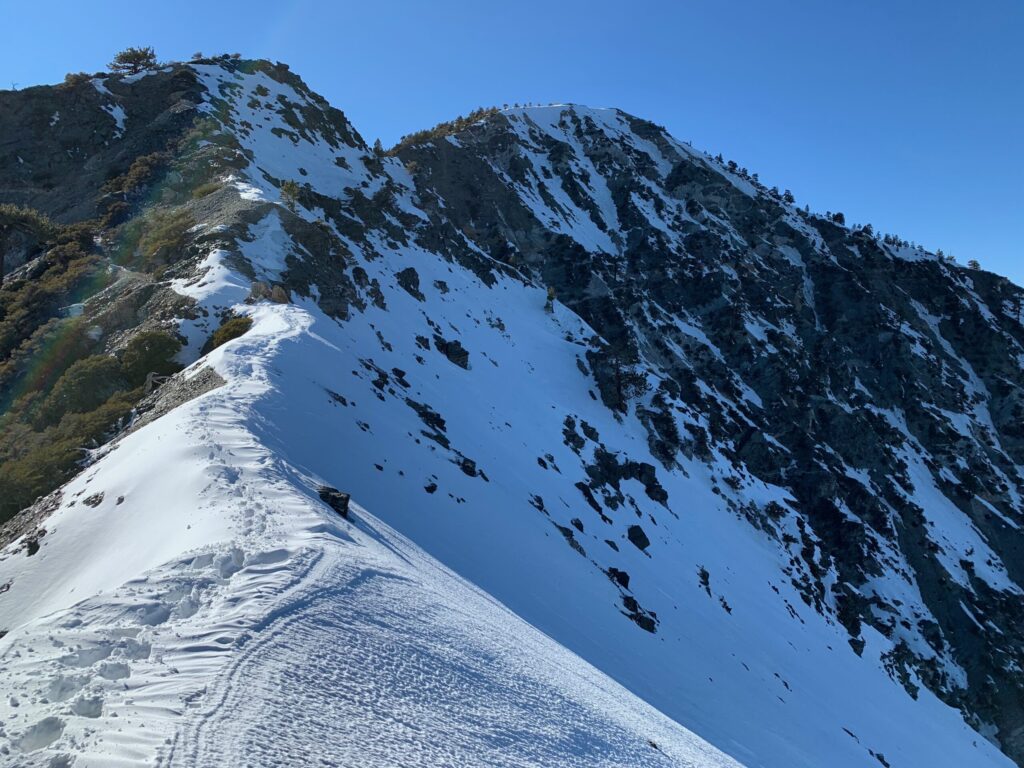

To ensure you are equipped to deal with an emergency and potentially spend an unforeseen night in the wilderness, experts advise that you carry the following Ten Essential ‘systems’ with you at all times while traveling in the wilderness:
Illumination
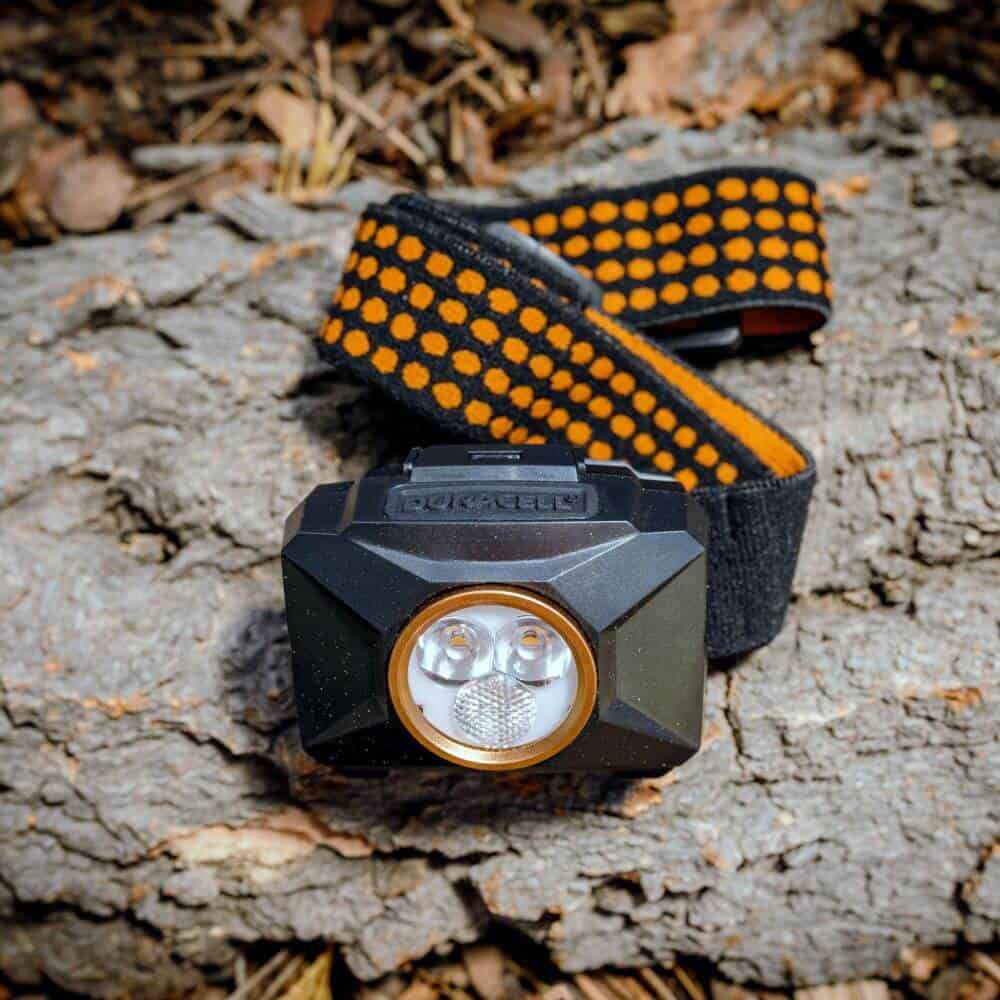
More and more hikers these days are not using traditional flashlights with bulbs, but headlamps with light-emitting diodes (LED’s). LED’s lights are lighter and more efficient, and many also offer a strobe mode which is a great option to have in an emergency situation. Carry extra batteries to be safe, and if you use a headlamp or flashlight with a traditional bulb, carry an extra bulb.
Navigation
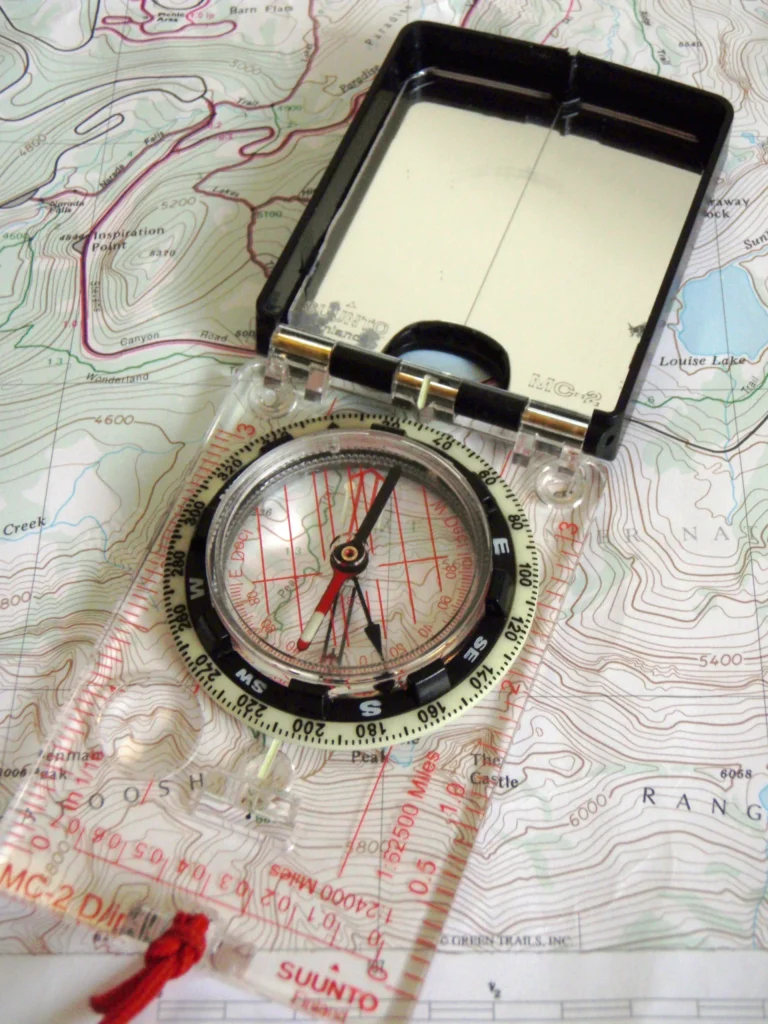
A map of the area you are traveling in and a compass are mandatory, along with the knowledge of how to use them. At a minimum, you should be able to account for declination and understand the difference between true north and magnetic north. The map should be topographical and carried in a waterproof container, such as a large ziplock plastic bag. Climbers, scramblers and other off-trail travelers often also carry an altimeter, a most functional route-finding tool in the mountains, and a GPS unit.
Sun Protection
This is critical in the mountains, especially on snow. Sunglasses should provide ultraviolet protection. Sunscreen should be rated at least SPF 15.
Insulation
Conditions can abruptly turn cold, windy and wet in the mountains, so it’s smart to carry an additional layer of clothing in case something unexpected prolongs your exposure to the elements. The extra clothing should be selected to allow you to survive the worst conditions that could be realistically encountered on your trip. In winter that means a blizzard and sub-zero temperatures. Your clothes should not be made of cotton, which robs you of heat when wet and increases the risk of hypothermia. Instead, use synthetics such as polypropylene, polyester (fleece) and nylon, or blends of the same with wool or silk. Common options include an insulated hat, a layer of underwear (tops and bottoms), extra socks and a synthetic jacket or vest. Curious fact: A hat provides more warmth for its weight than any other piece of clothing.
First-Aid Supplies
Not all of us have taken a first-aid course, but it’s a great idea, especially wilderness-oriented first aid. That way you’ll know how to properly use gauze pads, roller gauze, butterfly bandages, triangular bandages and medicines you should carry. The length of your trip and the number of people involved will impact the contents of your kit. It’s also a good idea to carry some sort of compact guide to dealing with medical emergencies.
Fire
Storm/wind proof matches and a lighter, stored in a waterproof container are a must! This category also includes fire starters, such as candles, chemical heat tabs, canned heat or resin-soaked, chipped-wood blocks. If you must start a fire, be careful! Wildfires are a real threat to the Wilderness as well as to victims and rescuers!
Repair Kit and Tools
A multi-tool is essential. The small pair of pliers on many multi-tools can be unbelievably useful. Depending on what you’re doing in the wilderness, you may include safety pins, spare pack clips, cable ties, cordage and good-old duct tape. Here’s a classic tip for carrying the basics of a poor-man’s repair kit: Wrap strips of duct tape (the universal fix-it product) around your water bottle or trekking poles so you can repair who-knows-what in the backcountry.
Nutrition
Carry at least enough food for an extra day and night in the woods. It should require no cooking and store well: granola, jerky, nuts, candy, dried fruit. The process of digesting food helps keep your body warm, so on a cold night it’s smart to munch some food before bunking down. Just don’t leave animal-attracting leftovers inside your shelter.
Hydration
You can live for over a week without food, but not long without water, and dehydration can sneak up on you. Always carry at least one water bottle per person, and it’s a good idea to pack iodine tablets to treat additional water, or carry a filter. On extended trips, it’s wise to consult your map to identify possible water sources.
Emergency Shelter
If you’re carrying a tent, you’re covered. But on day trips you should at least pack an emergency space blanket, in addition to your rain gear. Other options are plastic tube tents, ultra-light tarps or an extra-large plastic trash bag.
The 11th Essential – Signaling and Communication
While having the right equipment and knowledge to survive being injured or lost is important, being able to help searchers and rescuers find you is equally important. In a wilderness environment, it is often very difficult for both air and ground rescuers to spot a person. Because of this, West Valley SAR strongly recommends that all wilderness travelers carry an emergency whistle (it is louder than and will outlast your vocal chords) and a signaling mirror (a mirror flash can be seen over 15 miles away on a sunny day). Two-way radios and/or a cell phone (see “A Note about Cell Phones”) can add a measure of safety in many situations.